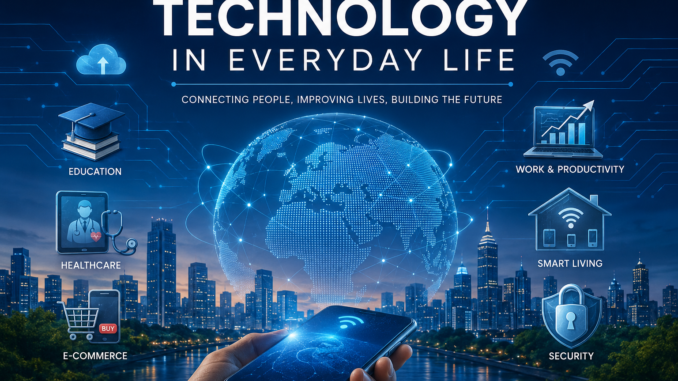
Technology has become one of the most powerful forces shaping modern society. It influences how people communicate, learn, work, shop, travel, and solve problems. Over the past few decades, the rapid growth of digital tools has transformed daily life in ways that were once unimaginable. Today, technology is no longer limited to laboratories or large corporations. It is part of ordinary routines and affects people of all ages around the world.
At its core, technology refers to the practical application of scientific knowledge to create tools, systems, and processes that make human life easier and more efficient. From smartphones and computers to online banking and digital education platforms, technological innovation has changed how societies function. It continues to evolve, opening new opportunities while also creating new challenges.
Communication in the Digital Age
One of the most visible impacts of technology can be seen in communication. In the past, sending information over long distances required letters, physical travel, or expensive phone calls. Today, communication happens instantly. People can send messages, share photos, make video calls, and hold virtual meetings from almost anywhere.
Social media platforms, messaging applications, and cloud-based collaboration tools have made it possible for families, friends, businesses, and communities to stay connected in real time. This has strengthened global communication and reduced geographical barriers. A student in one country can discuss projects with classmates in another. A business owner can communicate with customers worldwide. Technology has made the world more connected than ever before.
Technology and Education
Education is another field that has been deeply transformed by technology. Traditional classrooms still play an important role, but digital learning has expanded access to knowledge. Students can now attend online classes, watch educational videos, read e-books, and use interactive learning platforms.
The internet gives learners access to enormous amounts of information. Educational websites, digital libraries, and online courses allow people to continue learning throughout their lives. This flexibility is especially important for working adults, remote learners, and individuals living in areas with limited educational resources.
Technology also helps teachers improve the learning experience. Multimedia presentations, virtual simulations, and educational software can make complex subjects easier to understand. In many cases, students become more engaged because lessons become more interactive and accessible.
The Workplace and Productivity
Technology has changed the modern workplace in major ways. Computers, software applications, automation tools, and cloud services have increased productivity across industries. Tasks that once required many hours can now be completed much faster and with greater accuracy.
Remote work has also become more common. Employees can collaborate through video conferencing, project management tools, and shared online documents. This flexibility benefits both employers and workers. Businesses can access talent from different locations, while employees often enjoy greater convenience and time efficiency.
Artificial intelligence is also beginning to influence work environments. AI-powered tools can analyze data, automate repetitive tasks, and support decision-making. While this raises questions about future job roles, it also creates opportunities for new skills and career paths.
Healthcare and Medical Innovation
Technology has contributed significantly to improvements in healthcare. Modern medical equipment allows doctors to diagnose illnesses more accurately and treat patients more effectively. Digital records help organize patient information, making healthcare systems more efficient.
Telemedicine is another important development. Patients can now consult doctors online without always needing to travel to hospitals or clinics. This is particularly valuable in rural areas where medical services may be limited.
Wearable devices such as fitness trackers and smartwatches also support health awareness. These devices can monitor heart rate, sleep patterns, physical activity, and other health indicators. By giving people more information about their bodies, technology encourages preventive care and healthier lifestyles.
Business, Commerce, and Consumer Behavior
Technology has transformed how people buy and sell goods. E-commerce platforms allow customers to shop online at any time. They can compare products, read reviews, make digital payments, and receive home delivery. This convenience has changed consumer expectations and created new business models.
For businesses, digital technology provides powerful tools for growth. Companies can use websites, social media marketing, data analytics, and customer management systems to reach wider audiences and improve services. Small businesses now have opportunities to compete in larger markets because digital platforms reduce many traditional barriers.
Financial technology has also expanded access to banking services. Mobile payments, online transfers, and digital wallets make transactions faster and easier. In many developing regions, mobile financial services have increased economic participation for people who previously had limited access to traditional banking.
Challenges and Responsible Use
Although technology offers many benefits, it also brings important challenges. Privacy and data security have become major concerns. As more personal information is stored online, individuals and organizations must protect themselves against cyber threats, fraud, and misuse of data.
Another challenge is digital inequality. Not everyone has equal access to devices, internet connections, or digital education. This gap can create disadvantages in learning, employment, and access to information. Expanding affordable access to technology remains an important goal for many societies.
Technology can also affect mental well-being when used without balance. Excessive screen time, constant notifications, and social media pressure may contribute to stress and distraction. Responsible use of technology requires awareness, self-discipline, and healthy digital habits.
The Future of Technology
The future of technology promises even greater change. Fields such as artificial intelligence, robotics, renewable energy, biotechnology, and smart infrastructure are developing rapidly. These innovations may improve transportation, healthcare, environmental protection, and economic productivity.
However, future progress should not focus only on speed or profit. Ethical considerations will be essential. Developers, governments, educators, and communities will need to think carefully about fairness, privacy, sustainability, and social impact.
Technology should ultimately serve human needs. When used responsibly, it can help solve global problems, expand opportunities, and improve quality of life.
Conclusion
Technology has become an essential part of modern life. It shapes communication, education, work, healthcare, and business in powerful ways. It creates efficiency, expands access to information, and connects people across the world. At the same time, it requires thoughtful and responsible use.
As society continues to evolve, understanding technology will remain increasingly important. The goal should not simply be to adopt every new innovation, but to use technological progress in ways that support human development, inclusion, and long-term well-being.
Leave a Reply