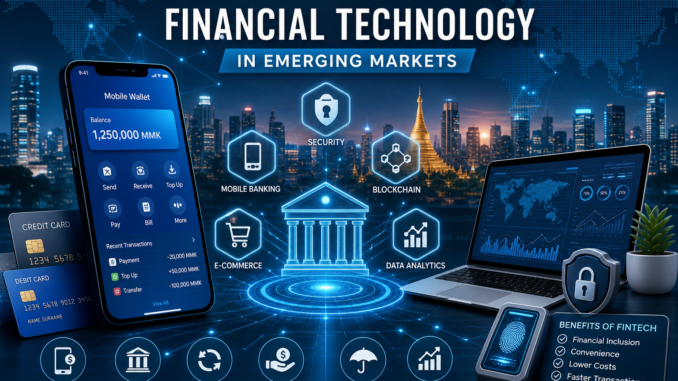
In recent years, financial technology (fintech) has rapidly transformed how people access and manage money, especially in emerging markets like Myanmar. With the rise of mobile internet usage, digital payment platforms, and innovative financial solutions, millions of users now have access to services that were previously unavailable. This digital revolution is not only improving financial inclusion but also creating new opportunities for businesses, investors, and individuals.
One of the key drivers of fintech growth in Myanmar is the increasing penetration of smartphones and affordable internet services. As more people gain access to mobile devices, they are turning to digital platforms for banking, payments, and financial management. Mobile wallets and digital payment systems have become especially popular, allowing users to send and receive money instantly without needing a traditional bank account.
Another important factor contributing to fintech expansion is the growing demand for convenient and secure financial services. Traditional banking systems often require physical presence, paperwork, and long processing times. In contrast, fintech solutions offer fast, user-friendly, and accessible alternatives. This convenience has led to a surge in adoption among young users and small business owners who prefer digital-first solutions.
Digital lending is another area experiencing significant growth. Fintech companies are using advanced algorithms and data analytics to assess creditworthiness and provide loans to individuals and small businesses. This is particularly important in regions where access to traditional credit is limited. By offering microloans and flexible repayment options, fintech platforms are empowering entrepreneurs and supporting economic development.
Blockchain technology is also gaining attention in emerging markets. While still in its early stages, blockchain has the potential to improve transparency, reduce fraud, and enhance security in financial transactions. For example, cross-border payments can be processed faster and at lower costs using blockchain-based systems. This is especially beneficial for migrant workers who rely on remittances to support their families.
Cybersecurity remains a critical concern as digital financial services expand. With more transactions happening online, the risk of fraud and data breaches increases. Fintech companies are investing heavily in advanced security measures such as encryption, biometric authentication, and artificial intelligence-based fraud detection systems. These technologies help protect user data and build trust in digital platforms.
Artificial intelligence (AI) is playing a major role in shaping the future of fintech. AI-powered chatbots, personalized financial recommendations, and automated customer support systems are improving user experiences and reducing operational costs. Additionally, machine learning algorithms can analyze large volumes of data to detect patterns and predict financial behavior, enabling more accurate decision-making.
The integration of fintech with e-commerce is another trend driving growth. As online shopping becomes more popular, seamless payment solutions are essential. Fintech platforms are partnering with e-commerce businesses to provide secure and efficient payment gateways, enabling users to complete transactions بسهولة and safely. This synergy is boosting both sectors and contributing to the digital economy.
Government policies and regulations also play a crucial role in shaping the fintech landscape. Supportive policies can encourage innovation and investment, while clear regulations help ensure consumer protection and financial stability. In Myanmar, efforts are being made to modernize the financial system and promote digital transformation, although challenges remain.
Despite the rapid growth, fintech in emerging markets still faces several challenges. Limited digital literacy, infrastructure gaps, and regulatory uncertainties can hinder adoption. Additionally, building trust among users who are unfamiliar with digital financial services requires continuous education and awareness campaigns.
Looking ahead, the future of fintech in Myanmar and similar markets appears promising. As technology continues to evolve, new solutions will emerge to address existing challenges and unlock further opportunities. From digital banking to blockchain-based systems, fintech has the potential to drive economic growth, improve financial inclusion, and enhance the quality of life for millions of people.
For businesses and content creators, technology and fintech topics offer high eCPM potential due to strong advertiser demand. Keywords related to digital payments, online banking, cybersecurity, AI, and blockchain tend to attract premium ads. By creating high-quality, informative content, publishers can maximize their revenue while providing valuable insights to their audience.
In conclusion, financial technology is reshaping the global financial landscape, with emerging markets playing a vital role in this transformation. As Myanmar continues to embrace digital innovation, fintech will remain a key driver of progress and opportunity. Whether you are a user, investor, or content creator, staying informed about these trends is essential to navigating the future of finance.
Leave a Reply